Tag: travel-tips

  • Chasing Sunshine and Avoiding Downpours: Your 2025 Philippine Travel Weather Guide!

    Hey there, fellow wanderers! Your aspiring travel blogger here, ready to spill the tea (or should I say, the halo-halo?) on how to best plan your Philippine adventures in 2025, especially when it comes to dodging the dreaded habagat and maximizing those glorious sunny days. As a proud Pinoy who loves to explore my own backyard on a budget, I know how crucial it is to get the timing right to make every peso count and every moment unforgettable.

    PAGASA, our very own weather bureau, has given us a heads-up, and it seems like 2025 is shaping up to be an “ENSO-neutral” year – meaning no major El Niño or La Niña extremes are currently expected to dominate. This generally points to more normal rainfall and temperature patterns, but “normal” in the Philippines still means distinct wet and dry seasons! We can expect the usual tropical maritime climate: generally, warm all year round, with average daytime temperatures ranging from 26-33°C.

    Here’s my take on the best times to hit up some of our most beloved spots, keeping in mind the 2025 forecast:

    Boracay: The Quintessential Beach Escape

    Ah, Boracay. White sand, turquoise waters, epic sunsets. It’s everyone’s dream!

    • Best Time to Visit (Peak Amihan): November to April
      • This is still your golden window! The Amihan (northeast monsoon) brings cooler, drier air, and the west coast (where White Beach is!) enjoys calm, clear waters perfect for swimming, sunbathing, and all those Insta-worthy shots. Humidity and rainfall are at their lowest.
      • Budget Traveler Tip: Since this is peak season, expect higher prices for flights and accommodations. Book well in advance, or consider visiting in late November/early December or late March/early April to catch the tail ends of the peak without the absolute throngs (and slightly lower prices, if you’re lucky!).
    • Wet Season (Habagat): June to October
      • While Boracay is somewhat sheltered from direct typhoon hits, the Habagat (southwest monsoon) can still bring strong winds, higher tides, and heavy, short downpours. June, July, August, and September are generally the wettest.
      • Budget Traveler Tip: If you’re a true budget warrior and don’t mind a bit of rain (or the chance of it!), these months offer significant discounts on everything. Just be prepared for potential disruptions to island hopping or water activities. The east coast (Bulabog Beach) becomes the hotspot for kitesurfing during this time!

    Palawan (El Nido, Coron, Puerto Princesa): Nature’s Paradise

    Limestone cliffs, hidden lagoons, and breathtaking island hopping – Palawan is a must-see!

    • Best Time to Visit (Dry Season): October to May
      • For the most reliable clear skies and calm waters, aim for February and March. This is when you’ll have the least chance of rain and comfortable temperatures for exploring the stunning islands and underwater wonders.
      • Budget Traveler Tip: October and May can be shoulder months, sometimes offering a sweet spot of decent weather and slightly fewer crowds/better deals than the absolute peak. Keep an eye on the forecast for early October, as the tail end of the rainy season might linger.
    • Wet Season: June to September
      • The monsoon season generally settles over Palawan during these months, especially in the northern areas like El Nido and Coron. Heavy rains and tropical storms are more likely.
      • Budget Traveler Tip: Unless you’re chasing truly off-season rates and are prepared for potential rainouts, I’d generally advise against visiting during these months if island hopping is your priority. However, if your trip is unavoidable, focus on more land-based activities in Puerto Princesa or consider the western side of the province in early October for potentially drier conditions.

    Siargao: The Surfer’s Haven & Island Gem

    Cloud 9, charming towns, and palm tree-lined roads – Siargao offers a different kind of island vibe.

    • Best Time to Visit (Dry Season/Surfing Season): March to October
      • For general island hopping, sunny days, and a good mix of activities, March to July is considered the dry season.
      • For Surfers: The iconic waves hit their prime between August and November. If you’re coming primarily to surf Cloud 9, this is your window.
      • Budget Traveler Tip: May or September are fantastic shoulder months! You’ll likely encounter fewer crowds and potentially better deals on accommodations, while still enjoying great weather (for island hopping in May) or prime surfing conditions (in September). Just know that as it gets closer to November, rain chances increase.

    Baguio: The Summer Capital’s Cool Escape

    Need a break from the tropical heat? Baguio is your answer!

    • Best Time to Visit (Cool Dry Season): November to April
      • This is when Baguio truly shines with its cool, crisp air. The skies are generally clearer, making it ideal for exploring Burnham Park, visiting the Botanical Garden, and enjoying the city’s unique charm. January is often considered ideal due to cooler temperatures and lower rainfall.
      • Budget Traveler Tip: December to February can be crowded, especially around holidays. Consider late November or March/early April for a more relaxed visit. While it’s the “dry” season, sporadic light rains can still occur, so a light jacket or umbrella is always a good idea.
    • Wet Season: May to October
      • Baguio experiences its heaviest rainfall during these months, particularly in July and August, when cloud cover is also most prevalent. While still cooler than the lowlands, constant rain can limit outdoor activities.
      • Budget Traveler Tip: If you don’t mind the rain and enjoy a misty, cozy atmosphere, you might find some good deals during this off-peak period. It’s perfect for café hopping, visiting museums, and enjoying the local cuisine indoors. Just be prepared for possible road closures due to heavy rains.

    General 2025 Weather Trends to Keep in Mind:

    • ENSO-Neutral Conditions: As mentioned, PAGASA expects ENSO-neutral conditions to persist until early 2026. This generally means fewer extreme weather events compared to strong El Niño or La Niña years, but it doesn’t mean no typhoons!
    • Typhoon Season: The Philippines is always in typhoon territory. For the second half of 2025 (July-December), PAGASA forecasts 11 to 19 tropical cyclones entering or forming within the Philippine Area of Responsibility (PAR). July, August, September, and October generally see the most activity, and these storms can enhance the habagat, leading to heavier rainfall. Always, always check local weather advisories before and during your trip, especially if traveling during these months.
    • Warm All Year Round: Even in the “cooler” months, the Philippines remains warm. Pack light, breathable clothing! Sun protection (sunscreen, hats, sunglasses) is a year-round essential.
    • Stay Hydrated: The tropical climate means you’ll be sweating more. Drink plenty of water!

    Ultimately, the “best time” to visit depends on your priorities. Are you a sun worshipper, a surfer, a mountain person, or a bargain hunter? By being aware of our typical weather patterns and the 2025 outlook, you can plan your ultimate Philippine adventure.

    Happy travels, my friends! And don’t forget to tag #Wandermapped if this guide helps you out!

    Until the next adventure, paalam!
  • DIY Siargao: Budget-Friendly Tips and Local Transportation Hacks

    Dreaming of palm-lined roads, cerulean waves, and island vibes without the hefty price tag? Siargao might be your tropical paradise—and the good news is, you can experience its magic even on a budget. Whether you’re a solo traveler, a backpacking couple, or exploring the Philippines with friends, this guide will help you make the most of Siargao without breaking the bank.

    Why Visit Siargao?

    Often dubbed the “Surfing Capital of the Philippines,” Siargao is more than just Cloud 9 waves. It boasts a laid-back island culture, crystal-clear lagoons, hidden beaches, and warm locals. With a little planning, you can explore its gems DIY-style—no need for pricey tour packages.


    Getting to Siargao on a Budget

    ✈️ Cheap Flights and Ferry Alternatives

    • Fly via Cebu or Clark: Direct flights from Cebu to Sayak Airport (Siargao) are often cheaper than flights from Manila. Try mixing and matching budget airlines like Cebu Pacific or AirAsia.
    • Ferry Option: For the truly budget-savvy, take a ferry from Surigao City. From Manila, take a flight or bus to Butuan or Surigao, then hop on the ferry to Dapa Port in Siargao. It’s longer but can be cheaper and scenic!

    💡 Tip: Use fare comparison tools like Aviasales to find the best flight and ferry combos.


    Budget-Friendly Accommodation

    Siargao offers plenty of low-cost stays:

    • Homestays & Hostels: Try areas in General Luna for dorms or local homes (₱300–₱700/night).
    • Budget Bungalows: Fan rooms and nipa huts can range from ₱800–₱1,200.

    Booking ahead during peak season (March–October) can save you a lot. Look for options on Booking.com or Agoda and check if any include free breakfast or airport pick-up.


    Local Transportation Hacks

    🛵 Rent a Motorbike

    Your best friend in Siargao is a scooter. Daily rentals go for ₱350–₱500. Gas is cheap and sold in Coke bottles along the road.

    • Pros: Total freedom to explore at your pace.
    • Cons: Be cautious of potholes, especially during rainy season.

    💡 Bonus Tip: Download offline Google Maps ahead of time. Reception can be patchy in rural areas.

    🛺 Habal-Habal (Motorbike Taxis)

    If you’re not confident riding, habal-habal is the next best thing. It’s also great for short distances.

    • Typical Rates: ₱20–₱100 depending on distance. Negotiate before hopping on!
    • Ask locals for fair rates—they’re usually happy to help.

    🚐 Shared Vans or Tricycles

    • For airport transfers, shared vans to General Luna cost around ₱300.
    • Tricycles can be flagged for local trips. Always agree on a price first.

    Eat Like a Local: Cheap Eats in Siargao

    You don’t need beachfront cafes to eat well here.

    🍽️ Local Carinderias (Road-side eateries)

    • Meals for ₱50–₱100.
    • Try dishes like adobo, sinigang, and grilled fish with rice.

    🥥 Fresh Finds

    • Fresh buko (coconut) for ₱20–₱30.
    • Barbecue sticks and lumpia from roadside stalls.

    📍 Budget Picks:

    • Mama’s Grill – huge portions and tasty options
    • Kermit Siargao – pricier but worth a visit for pizza
    • Local BBQ stalls in General Luna or Dapa – best for dinner on a dime

    Must-Do DIY Adventures

    Skip the organized tours and do it yourself:

    🏄 Surfing Cloud 9

    • Rent a board for ₱300/hour.
    • Hire a local instructor for ₱500 if you’re a beginner.

    🌴 Island Hopping on a Budget

    Book with boatmen directly at the pier for cheaper rates than agencies.

    • 3-Island Tour (Daku, Guyam, Naked): ₱1,500–₱2,000/boat (good for groups up to 6–8).
    • Bring your own lunch or shop for fresh seafood at Daku Island and grill it there.

    🏞️ Sugba Lagoon and Magpupungko Tidal Pools

    • Rent a motorbike and go early to avoid the crowds.
    • Entrance fees range from ₱50–₱100.

    Bonus Tips to Save More

    • Bring Cash: ATMs are limited and sometimes offline. Withdraw in advance.
    • Travel Off-Peak: Rainy season (Nov–Feb) offers cheaper rates, but plan around typhoons.
    • Group Up: Split costs on boat rides or van rentals with fellow travelers.
    • Local SIM with Data: Buy a Globe SIM and load it with a budget-friendly data promo. It’ll help with maps, bookings, and keeping in touch.

    Final Thoughts

    Exploring Siargao doesn’t require a luxury budget—just a sense of adventure and a few smart hacks. From zipping around on scooters to sipping coconuts under palm trees, your DIY Siargao experience can be just as rich and rewarding (and often more authentic) than any pre-packaged tour.

    Pack light, stay curious, and let the island spirit guide you.

    🌴 Happy travels from WanderMapped!

  • The Ultimate DIY Batanes Trip: Flights, Homestays, and Your Daily Budget!

    Mabuhay, fellow wanderers! It’s your Wandermapped traveler here, back with another gem from my bleoved archipelago. Today, we’re diving deep into a destination that’s been on every serious traveler’s bucket list: Batanes. Ah, Batanes. It’s more than just a place; it’s an experience that carves itself into your soul. And while many opt for packaged tours, believe me, the true magic of Batanes unfolds when you go the DIY route. It’s not just about saving pesos; it’s about connecting with the local culture, setting your own pace, and discovering hidden corners. So, let’s break down how you can craft your own unforgettable Batanes adventure.

    Getting There: The Flight Hunt (It’s All About Timing!)

    Let’s be honest, the flight is often the biggest chunk of your Batanes budget. There are no ferries from Luzon, so flying is your only option.

    • Airlines: Currently, Philippine Airlines (PAL Express) and Cebu Pacific are your main carriers flying into Basco (BSO) from Manila (MNL). Occasionally, there are flights from Clark (CRK) as well.
    • Booking Strategy: This is crucial. Book your flights WAY in advance. I’m talking 3-6 months, especially if you’re aiming for peak season (April-May, October-November, and long weekends). Seat sales are rare for Batanes, but when they do pop up, they disappear faster than a plate of adobo at a fiesta. Be flexible with your dates if possible; weekdays are almost always cheaper than weekends.
    • Connecting Flights: If you’re coming from other parts of the Philippines, you’ll likely need to connect via Manila. Factor in enough layover time, as domestic flights can sometimes experience delays.
    • My Tip: Set up flight alerts on Skyscanner or Google Flights. While full-blown seat sales are uncommon, you might catch a slightly lower fare if you’re vigilant. I once snagged a roundtrip for around PHP 8,000 by being super quick on the draw! Normal fares can range from PHP 10,000 to PHP 15,000+ for a roundtrip.

    Homestays: Your Home Away From Home

    One of the most charming aspects of Batanes is the prevalence of homestays. These aren’t just budget-friendly; they offer an authentic glimpse into Ivatan life. You’ll often find yourself chatting with your hosts, learning about their culture, and feeling truly welcomed.

    • Where to Stay: Most homestays are located in Basco, the capital. This is your best base for exploring North and South Batan, and it’s where you’ll find most of the amenities. There are also a few options in Sabtang and Itbayat if you plan an overnight stay there.
    • Finding Them:
      • Online Travel Agencies (OTAs): While Agoda and Booking.com list some, the selection isn’t as extensive as for other destinations.
      • Facebook Groups/Pages: This is often your best bet! Search for “Batanes Homestays” or “Basco Homestays.” Many local owners list their properties here, often with contact numbers. You can communicate directly.
      • Word of Mouth: Ask fellow travelers or online communities for recommendations.
      • Contacting Locals: Sometimes, a quick Google search for “Basco homestay contact numbers” can yield results.
    • What to Expect:
      • Simple but Clean: Don’t expect luxury resorts. Homestays are typically basic but comfortable, with private or shared bathrooms. Air-conditioning might be rare, but the cool Batanes breeze often makes it unnecessary.
      • Warm Hospitality: This is a given. Ivatan people are incredibly kind and accommodating.
      • Breakfast Often Included: Many homestays include a simple Filipino breakfast, which is a great way to start your day and save on costs.
      • Price Range: Expect to pay anywhere from PHP 350 – PHP 800 per person per night for a good homestay. Some private rooms might go up to PHP 1,500 – PHP 2,000 per night.

    Your Daily Budget: Making Every Peso Count

    Now for the nitty-gritty. This is an estimated breakdown for a solo traveler on a DIY Batanes trip. Adjust accordingly if you’re traveling with a companion or prefer more creature comforts.

    • Accommodation: PHP 500 – PHP 800 (based on a comfortable homestay)
    • Food:
      • Breakfast: Often included with homestay. If not, PHP 100 – PHP 150 for a local meal.
      • Lunch/Dinner: PHP 150 – PHP 300 per meal. Eating at local carinderias (eateries) or ordering home-cooked meals from your homestay are your best budget options. Seafood can be pricier.
      • Snacks/Drinks: PHP 50 – PHP 100.
      • Daily Food Total: PHP 400 – PHP 700 (if you’re careful)
    • Transportation (Daily Average – very variable depending on your activities):
      • Tours (DIY): Renting a tricycle for a whole day tour (North Batan, South Batan) typically costs around PHP 1,500 – PHP 2,000. If you split this with 2-3 others, it significantly reduces your cost per person. So, if you’re solo, budget around PHP 750 – PHP 1,000 for a shared tour.
      • Motorbike Rental: Around PHP 500 – PHP 800 per day for self-drive. Fuel extra.
      • Sabtang Trip: This will be a separate cost – boat fare (PHP 150-200 RT), tricycle tour (PHP 300-500 per person if shared).
      • Daily Transportation Average: PHP 400 – PHP 800 (depending on your tour activities that day)
    • Activities/Entrance Fees:
      • Environmental Fee: PHP 350 (one-time payment upon arrival).
      • Sabtang Environmental Fee: PHP 200 (one-time for Sabtang).
      • Most view decks and natural attractions are free. Some cultural sites might have a small donation box.
      • Daily Activity Average: PHP 50 – PHP 100 (if you spread out the one-time fees and account for minor donations)
    • Miscellaneous (Water, toiletries, small souvenirs): PHP 100 – PHP 200

    Estimated Daily Budget (Excluding Flights): PHP 1,500 – PHP 2,600

    This is a comfortable budget for a DIY traveler. You can definitely go lower if you’re extremely frugal (e.g., sharing tricycle tours always, eating only at carinderias), or higher if you splurge on seafood every night.

    My Tried and Tested Batanes Tips for the DIYer:

    • Connect with Fellow Travelers: Upon arrival, chat with other tourists at your homestay or at popular spots. You might find people to share tricycle tours with, significantly cutting down costs. This is how I often found tour mates!
    • Embrace the Tricycle: It’s the primary mode of transport. Negotiate rates for tours, or for point-to-point transfers within Basco.
    • Motorbike Adventures: If you’re confident riding, renting a motorbike gives you ultimate freedom to explore at your own pace. Just be mindful of the sometimes strong winds and winding roads.
    • Pack Light: Seriously. Small planes mean stricter baggage allowances. Plus, it’s easier to move around.
    • Bring Cash: While some establishments in Basco accept Gcash or credit cards, many homestays and local eateries are cash-only. ATMs are available in Basco, but it’s always wise to have enough cash on hand.
    • Respect Local Culture: The Ivatans are a gentle and respectful people. Be mindful of their traditions and always ask permission before taking photos of people or private property.
    • Flexibility is Key: Weather in Batanes can be unpredictable. Flights can be delayed or cancelled due to strong winds or storms. Build in a buffer day or two if your schedule allows, just in case.
    • Don’t Rush: Batanes is not a place to tick off boxes. Take your time, soak in the views, sit by the cliff, and simply be. That’s where the real magic lies.

    The Batanes Promise

    Batanes isn’t just about the iconic lighthouses and rolling hills; it’s about the feeling of being in a place untouched, where life moves at a different pace, and the people are as warm as the sunshine. Going DIY allows you to truly immerse yourself in this unique culture and create memories that are truly your own. So, pack your bags, prepare for an adventure, and get ready to be utterly captivated by the beauty of the Northernmost frontier of the Philippines.

    Have you been to Batanes? What are your ultimate DIY tips? Share them in the comments below!

  • How to Fly Around the Philippines in 2025: Budget Airlines Compared

    The Philippines is an archipelago of over 7,000 islands, making air travel one of the most efficient ways to explore its stunning destinations. Whether you’re chasing waterfalls in Cebu, surfing in Siargao, or soaking in sunsets on Palawan’s beaches, hopping on a domestic flight can save you precious travel time. In this post, we’ll compare the top budget airlines flying around the Philippines in 2025—so you can choose the best option for your itinerary and your wallet.

    ✈️ Top Budget Airlines in the Philippines (2025)

    1. Cebu Pacific

    • Hub: Manila (MNL), Cebu (CEB), Davao (DVO)
    • Baggage Policy: 7 kg carry-on included; checked baggage costs extra
    • In-Flight Experience: No-frills, buy-on-board snacks
    • Pros:
      • Frequent seat sales
      • Extensive domestic network
      • Flights to major tourist destinations like Boracay, Bohol, and Siargao
    • Cons:
      • Delays are not uncommon
      • Add-ons can drive the price up

    💡 Tip: Watch out for “Piso Fare” promos—tickets can go as low as PHP 1 (plus taxes and fees).


    2. AirAsia Philippines

    • Hub: Manila (MNL), Clark (CRK), Cebu (CEB)
    • Baggage Policy: 7 kg carry-on included; checked baggage available for a fee
    • In-Flight Experience: Budget-friendly meals and snacks, optional upgrades
    • Pros:
      • Great deals during promotions
      • Smooth booking app and website
      • Fly-Thru options if you’re coming from abroad
    • Cons:
      • Fewer flights to smaller islands
      • Legroom can be tight

    🧳 Tip: Pre-book your baggage during checkout—it’s cheaper than adding it later.


    3. PAL Express (Philippine Airlines’ Low-Cost Arm)

    • Hub: Manila (MNL)
    • Baggage Policy: Usually includes 10-20 kg checked baggage depending on the fare
    • In-Flight Experience: More comfortable seats, sometimes complimentary snacks
    • Pros:
      • Often more punctual
      • Better service compared to other budget carriers
    • Cons:
      • Slightly more expensive
      • Smaller domestic network

    🍴 Tip: If you value a smoother experience and a little extra comfort, PAL Express might be worth the upgrade.


    4. Sunlight Air

    • Hub: Manila (MNL)
    • Baggage Policy: 10 kg carry-on; 20 kg checked baggage included
    • In-Flight Experience: Newer aircraft, complimentary snacks, boutique feel
    • Pros:
      • Fly direct to niche destinations like Busuanga (Coron) and Siargao
      • Fewer crowds, newer fleet
    • Cons:
      • Limited routes
      • Newer airline, so fewer daily schedules

    🌅 Tip: Great option if you’re heading to upscale beach destinations and value a quieter flying experience.


    🗺️ Best Routes to Popular Tourist Spots

    DestinationBest AirportAirline OptionsNotes
    Boracay (Caticlan)MPHCebu Pacific, AirAsia, PALCaticlan is closer than Kalibo
    Palawan (Puerto Princesa)PPSCebu Pacific, AirAsia, PAL, SunlightPPS is the main hub; El Nido has its own small airport
    SiargaoIAOCebu Pacific, SunlightFewer flights, book early
    Bohol (Panglao)TAGAirAsia, PALLess busy than Cebu, still scenic
    CebuCEBAll major carriersGreat central hub for island hopping
    DavaoDVOAll major carriersAccess to Mindanao adventures

    💸 Money-Saving Tips for Flying Around the Philippines

    • Book Early: Prices rise as seats fill. Book 2–3 months in advance if possible.
    • Set Fare Alerts: Use tools like Aviasales to get notified of the best deals.
    • Travel Light: Avoid checked baggage fees by packing smart (check out our Ultimate Packing List).
    • Fly During Off-Peak Hours: Early morning or late-night flights are often cheaper.
    • Compare Airports: Consider flying into nearby airports like Clark or Mactan to avoid Manila congestion.

    🧭 Final Thoughts

    Flying around the Philippines in 2025 is affordable and convenient—if you know where to look and how to plan. Budget airlines like Cebu Pacific and AirAsia offer the cheapest fares, while PAL Express and Sunlight Air provide a bit more comfort and convenience. Your best pick depends on your route, budget, and travel style.

    Ready to take off? ✈️ Check out deals on domestic flights with our favorite flight search tool:

    👉 Find Cheap Flights on Aviasales

    Happy island hopping! 🌴

  • 7 Eco-Friendly Travel Tips for Sustainable Adventures in the Philippines

    The Philippines is a dream destination for eco-conscious travelers. With over 7,000 islands, it offers everything from world-class diving in Palawan to lush rice terraces in Banaue. But with tourism on the rise, it’s more important than ever to protect this fragile paradise.

    In this guide, you’ll learn how to travel sustainably in the Philippines through practical eco-tips that minimize your environmental impact and support local communities.

    Whether you’re island-hopping in El Nido or planning a whale shark tour in Oslob, these sustainable travel tips will help you explore the Philippines responsibly.


    1. Stay in Eco-Friendly Accommodations in the Philippines

    Choosing where to stay can significantly impact the environment. Book sustainable hotels or eco-resorts in the Philippines that:

    • Use solar energy or other renewable sources
    • Provide refillable water stations
    • Offer locally sourced or organic food
    • Have certifications like EcoHotels or Green Key


    2. Avoid Single-Use Plastics While Traveling

    Plastic pollution is a major issue in the Philippines, especially in coastal regions. As a traveler, you can reduce waste by packing:

    • A reusable water bottle with a built-in filter (ideal for island trips)
    • Bamboo cutlery and reusable straws
    • A canvas tote bag for shopping
    • Solid toiletries like bar soap and shampoo


    3. Choose Low-Carbon Transportation in the Philippines

    Flying between islands increases your carbon footprint. Instead:

    • Explore one island region at a time
    • Use buses, ferries, or van transfers over domestic flights
    • Consider flying into Dumaguete instead of Cebu for shorter routes to Oslob

    Slow travel not only reduces emissions but also leads to deeper, more memorable experiences.


    4. Book Ethical and Sustainable Tours

    Choose tour operators in the Philippines that prioritize the environment and local culture. Look for companies that:

    • Follow “Leave No Trace” principles
    • Avoid unethical wildlife interactions
    • Employ local guides and support community-based tourism


    5. Respect Marine Life and Ecosystems

    If you’re diving, snorkeling, or visiting marine parks, be mindful of these tips:

    • Never step on or touch coral reefs
    • Use reef-safe sunscreen
    • Avoid wildlife interactions that promote feeding or touching
    • Don’t buy souvenirs made from shells, coral, or endangered species

    Did you know? Coral reefs in the Philippines are among the richest in the world—but they’re also some of the most vulnerable.


    6. Eat Local and Shop Sustainably

    Support local farmers, artisans, and small businesses by:

    • Eating at carinderias (small family-run eateries)
    • Buying handmade crafts and souvenirs from local markets
    • Saying no to imported, packaged snacks

    Shopping and dining locally keeps your money within the community and reduces the environmental cost of imported goods.


    7. Give Back Through Responsible Volunteering

    If you want to contribute to sustainability efforts:

    • Join a beach clean-up
    • Support marine conservation projects
    • Volunteer with reforestation or sustainable farming initiatives

    Important: Avoid short-term “voluntourism” that lacks long-term impact. Choose projects led by local NGOs with proven track records.


    Final Thoughts: Why Sustainable Travel in the Philippines Matters

    Learning how to travel sustainably in the Philippines is not just a trend—it’s a responsibility. As travelers, we have the power to protect what makes the Philippines extraordinary: its nature, its people, and its culture.

    Even small actions—like saying no to plastic or choosing the right tour—can make a big difference when practiced consistently.


    🌴 Planning Your Trip?

    👉 Check out our Ultimate Packing List for the Philippines for eco-travel essentials
    👉 Browse sustainable day tours in Manila, Cebu, and Palawan
    👉 Follow us on Instagram @wandermapped for more conscious travel ideas

  • Ship or Plane? Choosing the Best Way to Travel Around the Philippines on a Two-Week Vacation

    ✈️ Flying Around the Philippines: Fast and Convenient

    Pros:

    • Speed: Domestic flights are short and ideal for maximizing limited vacation time.
    • Good Connectivity: Most tourist spots—like Cebu, Palawan, and Siargao—have airports.
    • Frequent Departures: Budget airlines offer multiple daily flights on popular routes.

    Cons:

    • Delays & Weather Risks: Especially during rainy season (June–October).
    • Extra Fees: Baggage, seats, and meals are often not included in base fares.
    • Transfers Needed: Some airports still require land or boat travel to your final destination.

    💡 WanderMapped Tip: Book flights early with Aviasales to lock in low fares and compare multiple airlines at once.


    🚢 Traveling by Ship: Scenic and Budget-Friendly

    Pros:

    • Lower Cost: Ferry tickets are often cheaper than flights.
    • More Luggage Flexibility: Fewer baggage restrictions than airlines.
    • Scenic Travel: Enjoy ocean views and sunsets, especially on overnight routes.

    Cons:

    • Time-Consuming: Long travel times, e.g., Manila to Cebu takes ~22 hours.
    • Limited Schedules: Not as frequent as flights—some routes run only a few times weekly.
    • Weather-Dependent: Sailing can be delayed or canceled in rough sea conditions.

    💡 WanderMapped Tip: Use 2Go Travel and OceanJet to book ferries. Reserve in advance for better cabin options!


    🏝️ Best of Both Worlds: A Mixed Travel Itinerary

    Want flexibility and adventure? Combine both modes of transport:

    • Fly from Manila to Cebu.
    • Ferry to nearby islands like Bohol or Siquijor.
    • Fly back to Manila from your final destination.

    This combo saves time on long legs while letting you enjoy slower scenic routes between neighboring islands.


    🌊 Final Thoughts

    Choosing between ships and planes in the Philippines depends on your:

    • Budget
    • Schedule
    • Preferred pace of travel

    With only two weeks, flying helps cover more ground, but ferries give you a richer, more immersive experience. A hybrid plan is often the smartest choice.

    ✅ Related Posts You Might Like:


    Follow @WanderMapped on Instagram for real-time travel inspiration, local tips, and upcoming guides!

    Have questions or want help planning your itinerary? Drop them in the comments below!

  • 🌏 Traveling Solo in Southeast Asia: Tips for an Unforgettable Adventure

    Southeast Asia is a dream destination for solo travelers. It’s budget-friendly, full of culture, and packed with once-in-a-lifetime experiences. Whether you’re craving temple-hopping in Cambodia, beach bumming in the Philippines, or food-tripping in Vietnam, this region makes solo adventures easy, safe, and unforgettable.


    🌴 Why Travel Solo in Southeast Asia

    • Budget-Friendly: Affordable accommodation, cheap eats, and low-cost transport options abound.
    • Social Scene: Backpacker hubs and hostels make meeting fellow travelers a breeze.
    • Safety: Generally safe for solo travelers—especially with a bit of street smarts.
    • Adventure Galore: Beaches, mountains, temples, jungles—take your pick!

    💡 Solo Travel Tips for Southeast Asia

    1. Start with a Soft Landing Spot
    Begin your trip in a traveler-friendly city like Bangkok, Bali, Manila or Ho Chi Minh. These places are well-connected and full of fellow solo travelers.

    2. Pack Light but Smart
    Stick to the essentials:

    • Breathable clothes
    • Sandals or walking shoes
    • Dry bag
    • Universal adapter
    • Power bank
    • Reusable water bottle

    👉 Check out my Ultimate Packing List for the Philippines—most tips apply across Southeast Asia!

    3. Use Travel Apps
    Apps like Grab, Google Maps, and offline translators can make your travels much easier. Get a local SIM card or eSIM as soon as you land to stay connected.

    4. Book Accommodation with Good Reviews
    Stick to well-reviewed places, especially when traveling solo. Hostels and guesthouses are great for meeting people—just double-check the safety of the neighborhood.

    5. Join Group Tours or Local Classes
    Cooking classes, street food tours, and island-hopping are not only fun but also a great way to meet fellow travelers.

    6. Trust Your Instincts
    If something feels off, trust your gut. Stay alert but open. Most people are kind—but solo travel is all about awareness.

    7. Stay Connected
    Share your itinerary with someone back home. Apps like Life360, WhatsApp, or Find My can help family and friends check in. You can also join solo travel communities on Facebook or Reddit for tips and support.


    🌟 Best Countries for Solo Travel in Southeast Asia

    • Thailand – Perfect blend of adventure and chill.
    • Vietnam – Great food, landscapes, and a fun backpacking trail.
    • Indonesia (Bali) – Yoga, beaches, and a strong solo traveler community.
    • Philippines – Warm locals, incredible islands.
    • Cambodia – Affordable and full of history.
    • Malaysia – Diverse culture and underrated nature spots.

    🧳 Final Thoughts

    Traveling solo in Southeast Asia is a rite of passage for many adventurers. You’ll meet incredible people, push your boundaries, and create stories to last a lifetime. If you’re dreaming of a life-changing experience—this is your sign to go.

    ✨ Follow WanderMapped for more guides, tips, and tools to plan your perfect trip. More solo-friendly itineraries coming soon!


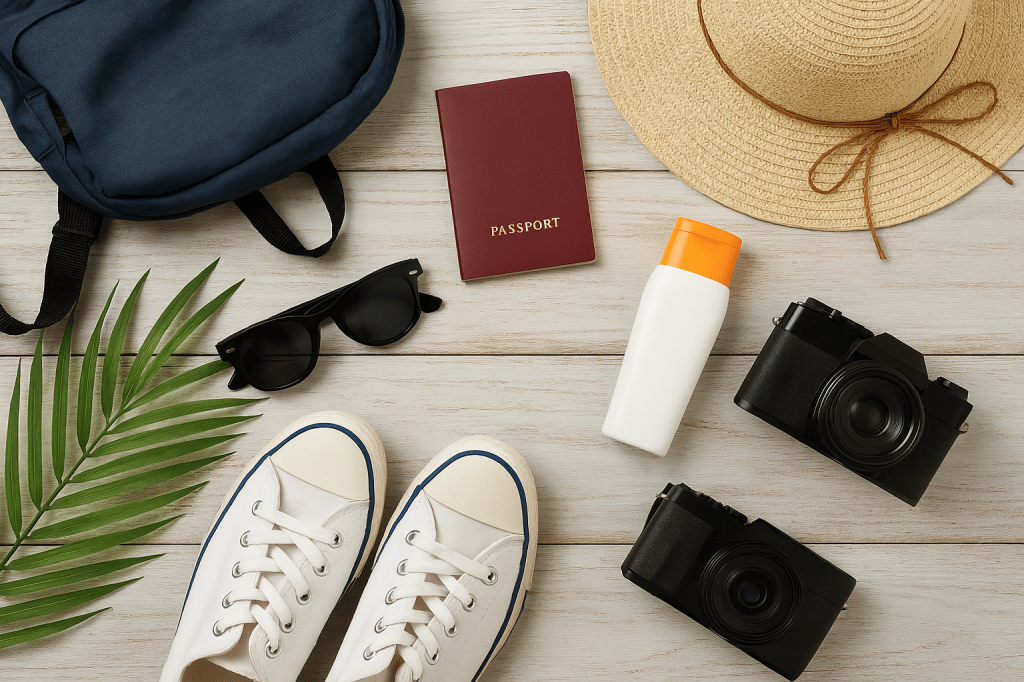
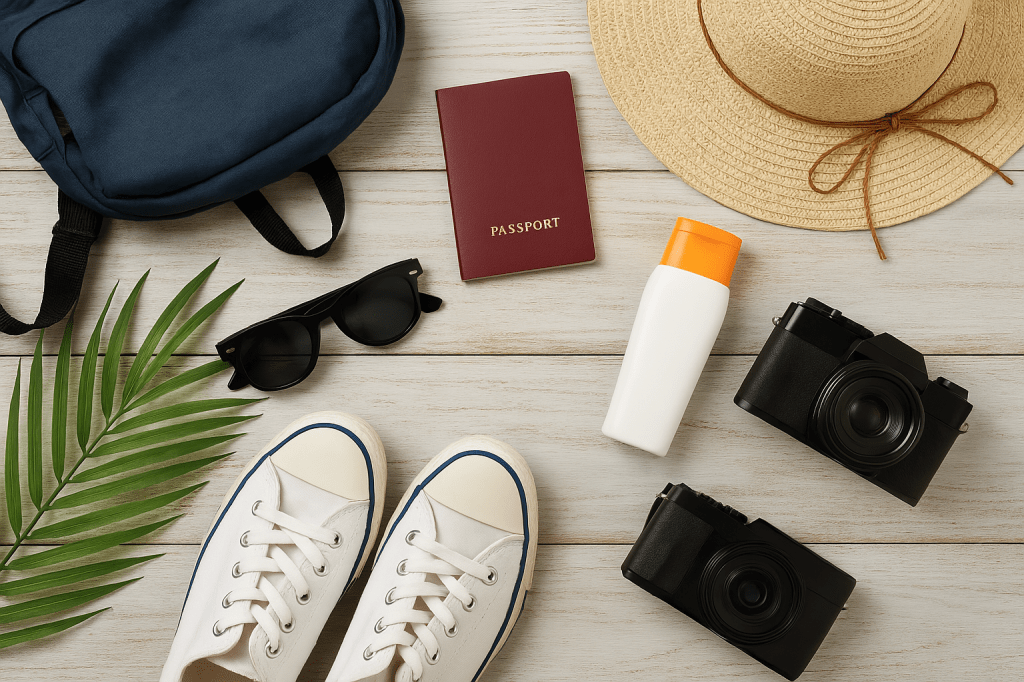
  • 🎒 The Ultimate Packing List for First-Time Travelers to the Philippines

    🎒 The Ultimate Packing List for First-Time Travelers to the Philippines

    This post may contain affiliate links. If you book or buy something through them, I may earn a small commission at no extra cost to you.

    Planning your first trip to the Philippines? Before we dive into what to pack, let’s talk about getting there. Finding a good flight deal can be half the battle—especially if it’s your first time visiting! I personally recommend using Aviasales to compare flights and grab the best airfare. It’s beginner-friendly, fast, and often shows better prices than what you’ll find elsewhere.

    Now that your flights are covered, let’s make sure your suitcase is, too!

    🧳 Packing Essentials

    👕 Clothing

    • Lightweight t-shirts and tank tops (it’s hot and humid!)
    • Shorts and/or skirts
    • Swimsuits (a couple!)
    • Lightweight long-sleeved shirt for sun or bugs
    • A light jacket or sweater (especially for cooler places like Baguio or Sagada)
    • Flip-flops/sandals
    • Comfortable walking shoes or sneakers
    • Sleepwear and underwear

    🧼 Toiletries

    • Toothbrush & toothpaste
    • Shampoo, conditioner, and soap (solid options save space!)
    • Deodorant
    • Sunscreen (reef-safe is best!)
    • Bug spray
    • Razor
    • Travel towel

    🧳 Packing Cubes: The Ultimate Travel Organizer

    One of the best ways to keep your luggage organized — especially for first-time travelers — is by using packing cubes. They help you separate outfits, maximize space, and avoid the chaos of digging through your bag every day.

    💼 Stay organized with these travel packing cubes
    I highly recommend this packing cube set from Amazon — it’s compact, durable, and comes in a variety of colors. Whether you’re heading to the beach, city, or mountains, these cubes will make your trip so much easier.


    📄 Travel Documents

    • Passport (with at least 6 months validity)
    • Flight tickets or e-confirmations
    • Hotel bookings
    • Travel insurance documents
    • Credit/debit cards and some cash (Philippine Peso – PHP)

    ✈️ Travel Requirements:

    • Tourist visa – Most nationalities get visa-free entry for 30 days, but check your country’s specific requirements.
    • eTravel.ph – Mandatory for all arriving and departing passengers. Register online before your flight.
    • Travel Tax – Departing passengers may be required to pay a Philippine travel tax (~₱1,620 for economy class). Often included in your ticket, but double-check.
    • Customs Clearance – For arrivals, submit customs info electronically and present the QR code upon entry.

    💊 Health & Safety

    • Prescription medication (bring the original packaging)
    • First aid kit (band-aids, painkillers, antiseptic cream)
    • Motion sickness tablets (especially for boat rides)
    • Face masks & hand sanitizer

    🔌 Tech & Gadgets

    • Smartphone + charger
    • Universal travel adapter
    • Power bank (especially useful on long trips)
    • Waterproof phone pouch
    • Camera (optional but awesome!)
    • SIM card or pocket Wi-Fi (available at the airport). Consider using an eSIM from Airalo to avoid high roaming charges and stay connected during your travels.

    🎒 Optional but Helpful

    • Dry bag (for beach and island hopping trips)
    • Reusable water bottle
    • Small backpack or day bag
    • Snorkel gear (optional, many tours provide this)

    🌅 Final Travel Tip:

    Pack light — laundry services are cheap and everywhere. Leave room in your luggage for souvenirs (hello, dried mangoes and local handicrafts!).

    Enjoy the islands, the food, the people — and don’t forget to soak up every sunset. 🇵🇭


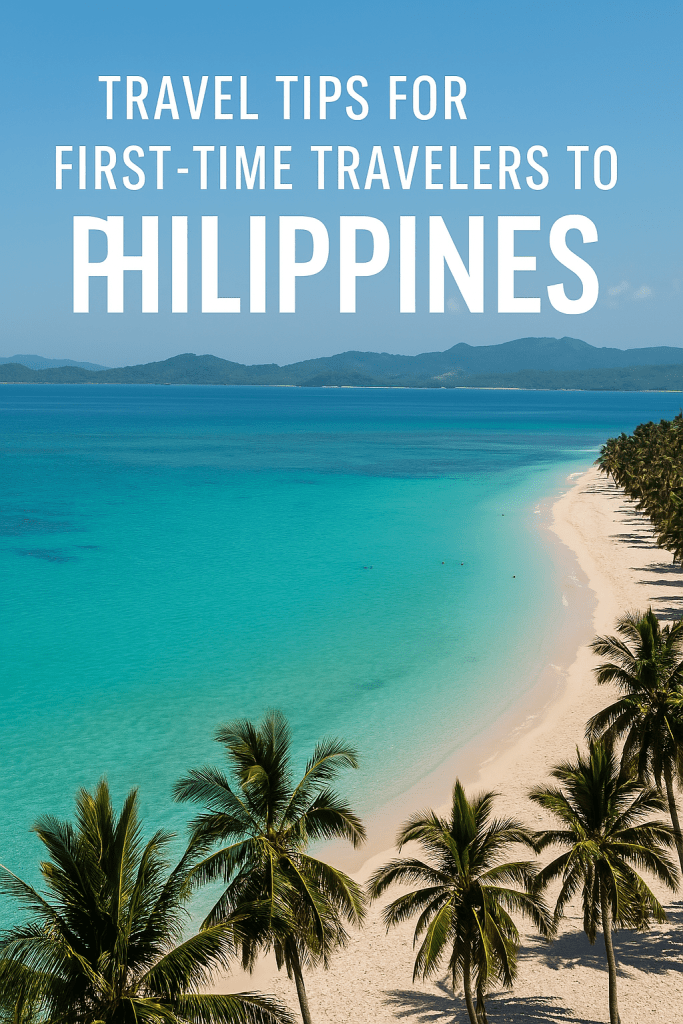
  • Travel Tips for First-Time Travelers to the Philippines

    Tranquil beaches like this await you in the Philippines 🇵🇭

    🌟 Why You’ll Fall in Love with the Philippines

    • Breathtaking Nature – Think turquoise lagoons, dramatic limestone cliffs, white-sand beaches, and lush rice terraces.
    • Warm, Welcoming People – Filipinos are incredibly friendly and helpful, and English is widely spoken — major bonus for first-time travelers!
    • Affordability – You can enjoy stunning destinations, delicious food, and unforgettable tours without breaking the bank.
    • Island Variety – Every island has a different vibe: party in Boracay, relax in Siquijor, or explore wildlife in Bohol.
    • Sunshine All Year (Mostly!) – The Philippines has a tropical climate that’s perfect for beach lovers, especially from November to May (dry season).

    🧳 10 Must-Know Tips for First-Time Travelers

    1. Don’t Overpack – Go Light and Beach-Ready

    Local flights often have tight baggage limits. Stick to breathable clothes, comfy shoes, and travel-sized toiletries.
    🧡 Pro Tip: A compact travel backpack like this one is perfect for island hopping.


    2. Cash is King (But Bring a Card Too)

    Most places outside major cities are cash-based. Have pesos ready for tricycles, meals, and entry fees.
    ATMs are available but can run out in remote areas.


    3. Book Domestic Flights Early

    Flights between islands (like Manila to Coron or Cebu to Siargao) fill up fast and can get pricey last-minute — book early to save money!


    4. Try Jeepneys and Tricycles (Safely!)

    These fun local rides are cheap and everywhere. Just be sure to agree on the price before hopping in.


    5. Stay Connected with a Local SIM Card

    Pick up a prepaid SIM (Globe or Smart) at the airport for cheap mobile data and easy access to Grab (the local Uber).


    6. Island Time is Real – Be Flexible

    Schedules change. Boats may be late. Weather might delay things. Build in buffer time and embrace the laid-back island pace.


    7. Respect Nature and Local Culture

    Use reef-safe sunscreen like this one, skip single-use plastics, and be respectful when visiting sacred or eco-protected areas.


    8. Travel Insurance is a Must

    Especially if you’re doing adventurous activities.
    🧡 I recommend SafetyWing or World Nomads for peace of mind.


    9. Plan Around the Weather

    The dry season (Nov–May) is best for sun and sea. Rainy season (Jun–Oct) can bring typhoons — check weather updates when planning.


    10. Eat Local – You’ll Be Surprised

    Don’t miss adobo, lechon, sinigang, sisig and street snacks like banana cue and halo-halo. And grab some fresh hot pandesal from a bakery!


    🌴 Ready to Explore the Philippines?

    The Philippines is one of those magical places that leaves you sun-kissed, awe-inspired, and always wanting more.
    With a little planning and these tips in your back pocket, your first trip will be smooth, fun, and full of memories that last a lifetime.

    👉 If you found these tips helpful, check out my Ultimate Philippines Packing List next — I’ve got you covered from flip-flops to power banks!