Tag: budget-travel

  • 10 Budget-Friendly Destinations in the Philippines for First-Time Travelers (2026 Edition)

    Sulit, beginner-friendly, and perfect for travelers starting their travel journey

    Planning your first real trip in and around the Philippines in 2026?
    Good news: you don’t need a huge budget, complicated planning, or luxury hotels to enjoy beautiful destinations. In fact, some of the best places for first-time travelers are also the most affordable.

    This 2026 Edition is updated using current travel costs, routes, and conditions, and is made especially for first-timers, families, barkada trips, and budget-conscious travelers who want destinations that are:

    βœ” Easy to reach
    βœ” Affordable
    βœ” Safe
    βœ” Tourist-friendly
    βœ” Sulit sa experience

    Here are 10 budget-friendly Philippine destinations that are perfect for beginners β€” even if this is your very first holiday, out-of-town or island trip.


    1. Cebu (Best All-Around Starter Destination)

    Why it’s great for first-time travelers:
    βœ” International airport
    βœ” Beaches + city + history
    βœ” Easy public transport
    βœ” Lots of affordable tours

    Top activities:

    • Kawasan Falls
    • Moalboal sardine run
    • Cebu City heritage tour (Magellan’s Cross, Fort San Pedro)

    Estimated daily budget (2026): β‚±1,800–₱2,600
    Best time to visit: March–May, January (Sinulog Festival)


    2. Bohol (Relaxed & Family-Friendly)

    Why beginners love it:
    βœ” Calm, laid-back vibe
    βœ” Well-organized tours
    βœ” Easy island hopping
    βœ” Safe for families

    Top activities:

    • Chocolate Hills
    • Tarsier Sanctuary
    • Panglao beaches

    Estimated daily budget (2026): β‚±1,800–₱2,400
    Best time to visit: February–May


    3. Boracay (Easiest Beach Destination for Beginners)

    Why it’s beginner-proof:
    βœ” Well-developed
    βœ” No need for motorbikes
    βœ” Tons of food options
    βœ” Safe and walkable

    Top activities:

    • White Beach sunset walks
    • Island hopping
    • Helmet diving / parasailing

    Estimated daily budget (2026): β‚±2,000–₱2,900
    Best time to visit: February–May


    4. Iloilo (Culture, Food, and Budget-Friendly)

    Why it’s underrated for first-timers:
    βœ” Cheap and delicious food
    βœ” Walkable city center
    βœ” Friendly locals
    βœ” Easy side trips

    Top activities:

    • Miagao Church
    • Islas de Gigantes
    • Iloilo food crawl (batchoy, pancit molo)

    Estimated daily budget (2026): β‚±1,500–₱2,100
    Best time to visit: January–June


    5. Siquijor (Chill Island with Low Travel Stress)

    Why first-timers enjoy it:
    βœ” Small island, easy to explore
    βœ” Short travel distances
    βœ” Relaxed pace
    βœ” Budget-friendly accommodations

    Top activities:

    • Cambugahay Falls
    • Salagdoong Beach
    • Coastal scooter rides

    Estimated daily budget (2026): β‚±1,500–₱2,300
    Best time to visit: March–May


    6. Baguio (Cool-Weather Escape, No Flights Needed)

    Why it’s beginner-friendly:
    βœ” Accessible by bus from Manila
    βœ” Cool climate
    βœ” Plenty of budget hotels
    βœ” Excellent food scene

    Top activities:

    • Burnham Park
    • Mines View Park
    • Camp John Hay

    Estimated daily budget (2026): β‚±1,300–₱1,900
    Best time to visit: December–February


    7. Dumaguete (Laid-back City with Easy Side Trips)

    Why it’s great for starters:
    βœ” University-town vibe
    βœ” Cheap eats everywhere
    βœ” Easy trips to Apo Island and Valencia

    Top activities:

    • Apo Island snorkeling
    • Rizal Boulevard sunset walks
    • Valencia hot springs

    Estimated daily budget (2026): β‚±1,500–₱2,300
    Best time to visit: February–June


    8. La Union (Surf + Weekend-Friendly)

    Why beginners like it:
    βœ” Easy bus access from Manila
    βœ” Surf lessons available
    βœ” Budget hostels and cafΓ©s

    Top activities:

    • Surfing lessons
    • CafΓ© hopping
    • Sunset views

    Estimated daily budget (2026): β‚±1,500–₱2,100
    Best time to visit: February–May


    9. Palawan (Puerto Princesa or El Nido for Starters)

    Why it’s still beginner-friendly:
    βœ” Organized tours
    βœ” Safe and tourist-ready
    βœ” World-class scenery

    Top activities:

    • Underground River
    • Island hopping tours
    • Lagoon kayaking

    Estimated daily budget (2026): β‚±2,300–₱3,200
    Best time to visit: November–May


    10. Albay (Mayon Views + Culture + Budget Travel)

    Why first-timers enjoy it:
    βœ” Unique scenery
    βœ” Affordable food and transport
    βœ” Less crowded than beach destinations

    Top activities:

    • Mayon Volcano viewpoints
    • Cagsawa Ruins
    • ATV adventures

    Estimated daily budget (2026): β‚±1,500–₱2,300
    Best time to visit: March–May


    Cheapest Destinations for First-Time Travelers (2026)

    Top 5 Most Budget-Friendly:

    1. Baguio
    2. Iloilo
    3. Dumaguete
    4. La Union
    5. Albay

    Perfect if you’re traveling on a tight budget or planning your first solo or barkada trip.


    Beginner Travel Tips for Filipino Travelers

    βœ” Choose destinations with direct flights or easy bus routes
    βœ” Avoid peak typhoon months (August–September)
    βœ” Book accommodations near town centers
    βœ” Start with 3–4 day trips
    βœ” Join group tours if solo
    βœ” Pack light β€” easier for public transport
    βœ” Always check the Philippines Weather Guide 2026


    Best Time to Travel for First-Time Travelers

    March to May remains the safest and easiest window:
    βœ” Clear weather
    βœ” Calm seas
    βœ” Ideal for beaches and city tours


    Your Turn! Planning your first Philippine trip in 2026?
    Tell me your budget, travel month, and starting city, and I’ll recommend the best beginner-friendly destination for you β€” WanderMapped style.

  • Budget Travel MVP: How Facebook Groups Became My Secret Weapon for Planning DIY Philippine Adventures (2025 Guide)

    Wazzup, fellow wanderers! It’s your Kuya (big brother) on a budget, Tonyo, back with another tip to fuel your wanderlust without breaking the bank. You know me, I’m all about making every peso count and every trip unforgettable. And in this digital age, there’s one platform that’s been a game-changer for my local DIY adventures: Facebook Groups!

    Forget those pricey tour packages, guys. In 2025, Facebook groups are still the MVP for planning your own epic Philippine escapades. Let me tell you how I do it for my “Wandermapped” blog!

    Step 1: Joining the Right Tribes

    This is crucial. You don’t just join any travel group. You need to be specific!

    • Destination-Specific Groups: Planning a trip to El Nido? Search “El Nido Palawan Backpackers,” “El Nido DIY Travel,” or “What’s Up El Nido?” These are goldmines of real-time info.
    • Interest-Based Groups: Love hiking? “Philippine Mountains and Trekkers” or “Pinoy Mountaineer” groups will hook you up with trail conditions, guides, and even joiner invites. Into food trips? Look for groups dedicated to local cuisine in your target area!
    • Budget Travel Groups: “Budget Travel Philippines” or “DIY Travel Philippines” are fantastic for finding fellow kuripot (frugal) travelers and sharing tips on saving money.

    Pro-Tip: Don’t just lurk! Introduce yourself. Ask questions. Engage! The more active you are, the more helpful insights you’ll get.

    Step 2: Mining for Gold (Information, that is!)

    Once you’re in, it’s time to dig!

    • Search Bar is Your Best Friend: Before asking a question, use the group’s search bar. Chances are, someone has already asked (and answered!) your query. Type in keywords like “accommodation El Nido,” “transportation Coron,” “itinerary Sagada 3D2N,” or “best food spots Cebu.” You’ll be surprised by the wealth of shared experiences!
    • Photos and Files: Many groups have a “Files” section where members share pre-made itineraries, contact lists of guides, and even budget breakdowns. Always check these first! And those photos? They’re not just for #feedgoals; they give you a realistic preview of what to expect.
    • Read the Comments! Sometimes, the real gems are hidden in the comment section of a post. People often share alternative routes, updated prices, or hidden gems that aren’t in the main post.

    Step 3: Asking Smart Questions & Connecting with Locals

    Okay, you’ve searched, you’ve lurked, but you still have questions. Now it’s time to post!

    • Be Specific: Instead of “What to do in Boracay?”, try “Looking for budget-friendly activities in Boracay for a solo female traveler in July. Any recommendations for free or cheap spots?”
    • Engage with Locals: This is where Facebook groups shine. You can directly connect with people who live in your target destination. They know the best local carinderias (eateries), the cheapest tricycle rates, and the hidden waterfalls no tourist knows about. I once found an amazing homestay in Siquijor just by asking in a local community group!

    My Personal Experience: Just last month, I was planning a spontaneous trip to Romblon. Instead of endlessly scrolling through booking sites, I joined “Romblon Travel Group.” Within an hour, I had recommendations for a charming guesthouse, a reliable boatman for island hopping, and even an invite to a local fiesta! It’s these authentic experiences that make my trips truly special.

    Step 4: Finding Your Travel Squad (Optional, but Fun!)

    For solo travelers like me, sometimes it’s nice to have company for certain activities to split costs or just share the experience.

    • “Looking for Joiners” Posts: Many groups have travelers looking for companions for specific dates and activities (e.g., “Looking for joiners for Mt. Pulag hike on Oct 20-22”). This is perfect for splitting guide fees or van rentals.
    • Post Your Own Itinerary: “Solo female traveler planning a DIY 4-day trip to Coron next month. Anyone else going around the same time want to link up for an island tour?” You might just find your next travel buddy!

    Step 5: Pay It Forward!

    Once you’ve had your amazing trip, don’t just disappear!

    • Share Your Experience: Post your itinerary, budget breakdown, photos, and tips. This helps future travelers and contributes to the community that helped you.
    • Answer Questions: If you see someone asking about a destination you’ve recently visited, offer your insights. It’s good karma, my friends!

    So, there you have it, my budget travel fam! Stop stressing over complicated planning and start harnessing the power of Facebook groups. It’s a vibrant community waiting to help you unlock the beauty of our own Philippines, one DIY adventure at a time.

    Happy travels, and don’t forget to tag #Wandermapped if you use these tips!

  • The Ultimate DIY Batanes Trip: Flights, Homestays, and Your Daily Budget!

    Mabuhay, fellow wanderers! It’s your Wandermapped traveler here, back with another gem from my bleoved archipelago. Today, we’re diving deep into a destination that’s been on every serious traveler’s bucket list: Batanes. Ah, Batanes. It’s more than just a place; it’s an experience that carves itself into your soul. And while many opt for packaged tours, believe me, the true magic of Batanes unfolds when you go the DIY route. It’s not just about saving pesos; it’s about connecting with the local culture, setting your own pace, and discovering hidden corners. So, let’s break down how you can craft your own unforgettable Batanes adventure.

    Getting There: The Flight Hunt (It’s All About Timing!)

    Let’s be honest, the flight is often the biggest chunk of your Batanes budget. There are no ferries from Luzon, so flying is your only option.

    • Airlines: Currently, Philippine Airlines (PAL Express) and Cebu Pacific are your main carriers flying into Basco (BSO) from Manila (MNL). Occasionally, there are flights from Clark (CRK) as well.
    • Booking Strategy: This is crucial. Book your flights WAY in advance. I’m talking 3-6 months, especially if you’re aiming for peak season (April-May, October-November, and long weekends). Seat sales are rare for Batanes, but when they do pop up, they disappear faster than a plate of adobo at a fiesta. Be flexible with your dates if possible; weekdays are almost always cheaper than weekends.
    • Connecting Flights: If you’re coming from other parts of the Philippines, you’ll likely need to connect via Manila. Factor in enough layover time, as domestic flights can sometimes experience delays.
    • My Tip: Set up flight alerts on Skyscanner or Google Flights. While full-blown seat sales are uncommon, you might catch a slightly lower fare if you’re vigilant. I once snagged a roundtrip for around PHP 8,000 by being super quick on the draw! Normal fares can range from PHP 10,000 to PHP 15,000+ for a roundtrip.

    Homestays: Your Home Away From Home

    One of the most charming aspects of Batanes is the prevalence of homestays. These aren’t just budget-friendly; they offer an authentic glimpse into Ivatan life. You’ll often find yourself chatting with your hosts, learning about their culture, and feeling truly welcomed.

    • Where to Stay: Most homestays are located in Basco, the capital. This is your best base for exploring North and South Batan, and it’s where you’ll find most of the amenities. There are also a few options in Sabtang and Itbayat if you plan an overnight stay there.
    • Finding Them:
      • Online Travel Agencies (OTAs): While Agoda and Booking.com list some, the selection isn’t as extensive as for other destinations.
      • Facebook Groups/Pages: This is often your best bet! Search for “Batanes Homestays” or “Basco Homestays.” Many local owners list their properties here, often with contact numbers. You can communicate directly.
      • Word of Mouth: Ask fellow travelers or online communities for recommendations.
      • Contacting Locals: Sometimes, a quick Google search for “Basco homestay contact numbers” can yield results.
    • What to Expect:
      • Simple but Clean: Don’t expect luxury resorts. Homestays are typically basic but comfortable, with private or shared bathrooms. Air-conditioning might be rare, but the cool Batanes breeze often makes it unnecessary.
      • Warm Hospitality: This is a given. Ivatan people are incredibly kind and accommodating.
      • Breakfast Often Included: Many homestays include a simple Filipino breakfast, which is a great way to start your day and save on costs.
      • Price Range: Expect to pay anywhere from PHP 350 – PHP 800 per person per night for a good homestay. Some private rooms might go up to PHP 1,500 – PHP 2,000 per night.

    Your Daily Budget: Making Every Peso Count

    Now for the nitty-gritty. This is an estimated breakdown for a solo traveler on a DIY Batanes trip. Adjust accordingly if you’re traveling with a companion or prefer more creature comforts.

    • Accommodation: PHP 500 – PHP 800 (based on a comfortable homestay)
    • Food:
      • Breakfast: Often included with homestay. If not, PHP 100 – PHP 150 for a local meal.
      • Lunch/Dinner: PHP 150 – PHP 300 per meal. Eating at local carinderias (eateries) or ordering home-cooked meals from your homestay are your best budget options. Seafood can be pricier.
      • Snacks/Drinks: PHP 50 – PHP 100.
      • Daily Food Total: PHP 400 – PHP 700 (if you’re careful)
    • Transportation (Daily Average – very variable depending on your activities):
      • Tours (DIY): Renting a tricycle for a whole day tour (North Batan, South Batan) typically costs around PHP 1,500 – PHP 2,000. If you split this with 2-3 others, it significantly reduces your cost per person. So, if you’re solo, budget around PHP 750 – PHP 1,000 for a shared tour.
      • Motorbike Rental: Around PHP 500 – PHP 800 per day for self-drive. Fuel extra.
      • Sabtang Trip: This will be a separate cost – boat fare (PHP 150-200 RT), tricycle tour (PHP 300-500 per person if shared).
      • Daily Transportation Average: PHP 400 – PHP 800 (depending on your tour activities that day)
    • Activities/Entrance Fees:
      • Environmental Fee: PHP 350 (one-time payment upon arrival).
      • Sabtang Environmental Fee: PHP 200 (one-time for Sabtang).
      • Most view decks and natural attractions are free. Some cultural sites might have a small donation box.
      • Daily Activity Average: PHP 50 – PHP 100 (if you spread out the one-time fees and account for minor donations)
    • Miscellaneous (Water, toiletries, small souvenirs): PHP 100 – PHP 200

    Estimated Daily Budget (Excluding Flights): PHP 1,500 – PHP 2,600

    This is a comfortable budget for a DIY traveler. You can definitely go lower if you’re extremely frugal (e.g., sharing tricycle tours always, eating only at carinderias), or higher if you splurge on seafood every night.

    My Tried and Tested Batanes Tips for the DIYer:

    • Connect with Fellow Travelers: Upon arrival, chat with other tourists at your homestay or at popular spots. You might find people to share tricycle tours with, significantly cutting down costs. This is how I often found tour mates!
    • Embrace the Tricycle: It’s the primary mode of transport. Negotiate rates for tours, or for point-to-point transfers within Basco.
    • Motorbike Adventures: If you’re confident riding, renting a motorbike gives you ultimate freedom to explore at your own pace. Just be mindful of the sometimes strong winds and winding roads.
    • Pack Light: Seriously. Small planes mean stricter baggage allowances. Plus, it’s easier to move around.
    • Bring Cash: While some establishments in Basco accept Gcash or credit cards, many homestays and local eateries are cash-only. ATMs are available in Basco, but it’s always wise to have enough cash on hand.
    • Respect Local Culture: The Ivatans are a gentle and respectful people. Be mindful of their traditions and always ask permission before taking photos of people or private property.
    • Flexibility is Key: Weather in Batanes can be unpredictable. Flights can be delayed or cancelled due to strong winds or storms. Build in a buffer day or two if your schedule allows, just in case.
    • Don’t Rush: Batanes is not a place to tick off boxes. Take your time, soak in the views, sit by the cliff, and simply be. That’s where the real magic lies.

    The Batanes Promise

    Batanes isn’t just about the iconic lighthouses and rolling hills; it’s about the feeling of being in a place untouched, where life moves at a different pace, and the people are as warm as the sunshine. Going DIY allows you to truly immerse yourself in this unique culture and create memories that are truly your own. So, pack your bags, prepare for an adventure, and get ready to be utterly captivated by the beauty of the Northernmost frontier of the Philippines.

    Have you been to Batanes? What are your ultimate DIY tips? Share them in the comments below!

  • πŸŽ’ The Ultimate Packing List for First-Time Travelers to the Philippines

    πŸŽ’ The Ultimate Packing List for First-Time Travelers to the Philippines

    This post may contain affiliate links. If you book or buy something through them, I may earn a small commission at no extra cost to you.

    Planning your first trip to the Philippines? Before we dive into what to pack, let’s talk about getting there. Finding a good flight deal can be half the battleβ€”especially if it’s your first time visiting! I personally recommend using Aviasales to compare flights and grab the best airfare. It’s beginner-friendly, fast, and often shows better prices than what you’ll find elsewhere.

    Now that your flights are covered, let’s make sure your suitcase is, too!

    🧳 Packing Essentials

    πŸ‘• Clothing

    • Lightweight t-shirts and tank tops (it’s hot and humid!)
    • Shorts and/or skirts
    • Swimsuits (a couple!)
    • Lightweight long-sleeved shirt for sun or bugs
    • A light jacket or sweater (especially for cooler places like Baguio or Sagada)
    • Flip-flops/sandals
    • Comfortable walking shoes or sneakers
    • Sleepwear and underwear

    🧼 Toiletries

    • Toothbrush & toothpaste
    • Shampoo, conditioner, and soap (solid options save space!)
    • Deodorant
    • Sunscreen (reef-safe is best!)
    • Bug spray
    • Razor
    • Travel towel

    🧳 Packing Cubes: The Ultimate Travel Organizer

    One of the best ways to keep your luggage organized β€” especially for first-time travelers β€” is by using packing cubes. They help you separate outfits, maximize space, and avoid the chaos of digging through your bag every day.

    πŸ’Ό Stay organized with these travel packing cubes
    I highly recommend this packing cube set from Amazon β€” it’s compact, durable, and comes in a variety of colors. Whether you’re heading to the beach, city, or mountains, these cubes will make your trip so much easier.


    πŸ“„ Travel Documents

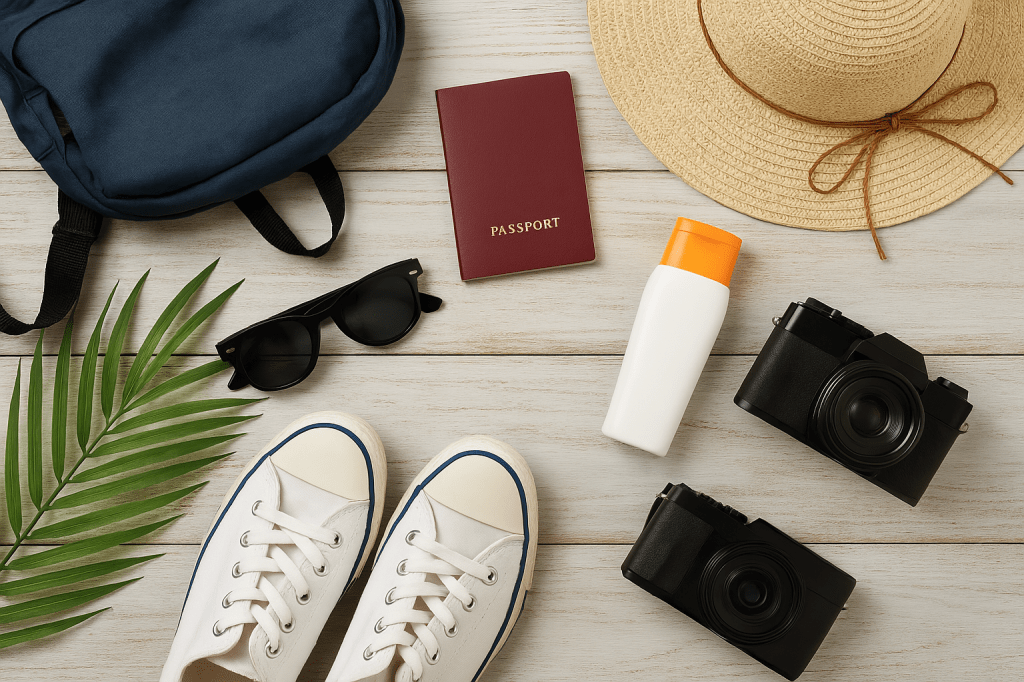
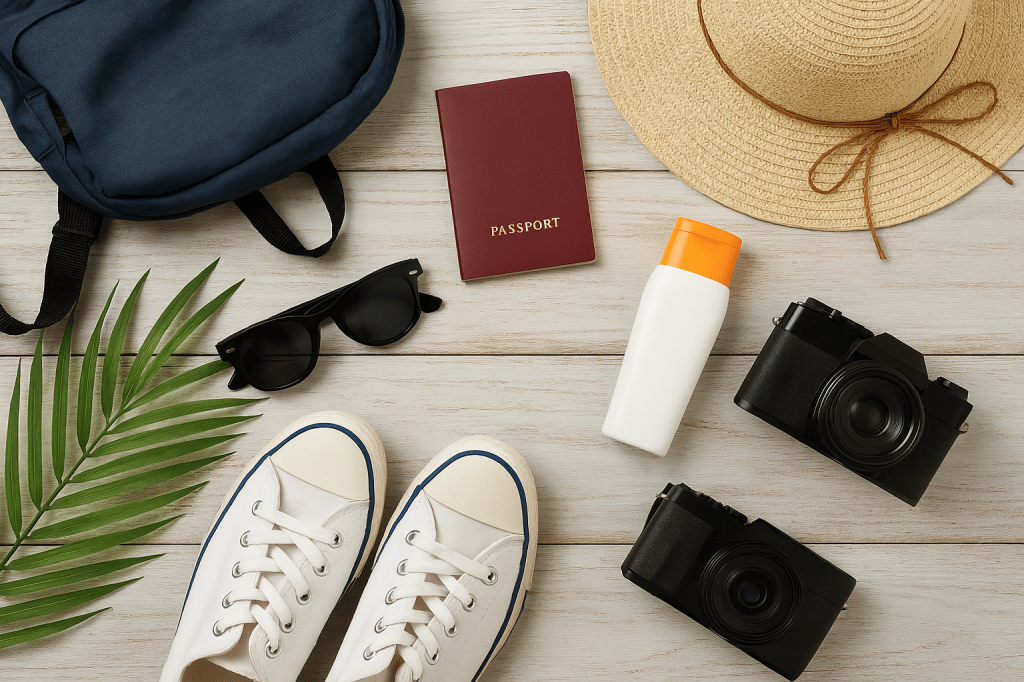
    • Passport (with at least 6 months validity)
    • Flight tickets or e-confirmations
    • Hotel bookings
    • Travel insurance documents
    • Credit/debit cards and some cash (Philippine Peso – PHP)

    ✈️ Travel Requirements:

    • Tourist visa – Most nationalities get visa-free entry for 30 days, but check your country’s specific requirements.
    • eTravel.ph – Mandatory for all arriving and departing passengers. Register online before your flight.
    • Travel Tax – Departing passengers may be required to pay a Philippine travel tax (~β‚±1,620 for economy class). Often included in your ticket, but double-check.
    • Customs Clearance – For arrivals, submit customs info electronically and present the QR code upon entry.

    πŸ’Š Health & Safety

    • Prescription medication (bring the original packaging)
    • First aid kit (band-aids, painkillers, antiseptic cream)
    • Motion sickness tablets (especially for boat rides)
    • Face masks & hand sanitizer

    πŸ”Œ Tech & Gadgets

    • Smartphone + charger
    • Universal travel adapter
    • Power bank (especially useful on long trips)
    • Waterproof phone pouch
    • Camera (optional but awesome!)
    • SIM card or pocket Wi-Fi (available at the airport). Consider using an eSIM from Airalo to avoid high roaming charges and stay connected during your travels.

    πŸŽ’ Optional but Helpful

    • Dry bag (for beach and island hopping trips)
    • Reusable water bottle
    • Small backpack or day bag
    • Snorkel gear (optional, many tours provide this)

    πŸŒ… Final Travel Tip:

    Pack light β€” laundry services are cheap and everywhere. Leave room in your luggage for souvenirs (hello, dried mangoes and local handicrafts!).

    Enjoy the islands, the food, the people β€” and don’t forget to soak up every sunset. πŸ‡΅πŸ‡­